Kupiansk is not a famous name in most living rooms. It is not a capital. It is not a postcard city. Yet it keeps showing up in the story because it sits where routes and rivers argue with each other.
This week, Ukraine says it has retaken parts of Kupiansk, in the Kharkiv region, after Russia claimed it seized the town on November 21. On Friday, President Volodymyr Zelenskyy visited Kupiansk and praised the troops. A Ukrainian commander said Russian forces inside the city were completely surrounded.
It sounds like one more headline in a long war. But most of all, Kupiansk is a reminder that control is not a stamp on a map. It is a daily, block-by-block struggle. It is a supply line that either works or does not. What Is Stealth Camping?
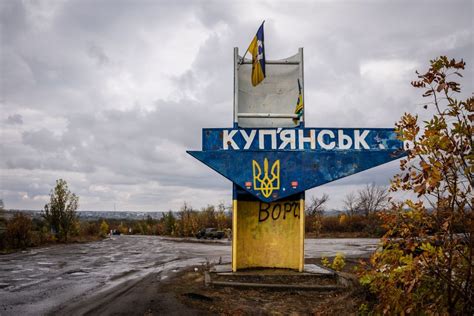
Why Kupiansk Keeps Mattering
Kupiansk is a rail-and-road hub near the Oskil River. In plain terms, it is a place that helps move people, fuel, ammunition, and food. That is why armies care about it even when the buildings are wrecked and the streets look empty.
When a town like this shifts hands, even partly, the change ripples outward. It can force one side to reroute supplies. It can slow an advance. It can open a window for a counterattack. It can also change the mood in Kyiv, Moscow, and every foreign capital watching for signs of momentum.
In other words, Kupiansk is small on the globe and large on the ledger Apple I.
The Claim, the Counterclaim, and the Fog That Never Lifts
Russia’s Ministry of Defence said it captured Kupiansk on November 21. Ukraine denied it at the time. Now Ukraine says it has retaken parts of the town. Russia has not publicly confirmed Ukraine’s latest claims, at least in the reporting available so far.
This is how the information war works. Each side speaks with certainty. Each side knows the audience is listening. Meanwhile, the front line moves in ways that do not fit tidy statements.
Instead of a clean “taken” or “lost,” you get pockets, crossings, raids, and streets that belong to whoever can hold them through the night.
What Ukraine Says Happened This Week
What Is Fly Fishing? Ukraine’s National Guard unit known as the Khartiia Corps said it liberated several northern districts of Kupiansk and cut off Russian supply lines. A commander, Ihor Obolienskyi, said several hundred Russian soldiers were surrounded, with Russian forces pushed toward the city center.
That claim is not just about territory. It is about shape. Encirclement is a shape. It changes what is possible. It raises the pressure on the surrounded force. It also raises the cost of every resupply attempt.
Ukrainian sources and a Ukrainian mapping project known as DeepState were cited as supporting the idea that Ukraine controlled parts of northern Kupiansk and nearby areas, while Russian forces were concentrated closer to the center.
This is still a contested situation. But after more than months of Russian pressure in the Kupiansk direction, even partial reversals carry weight.
Zelenskyy’s Visit: Symbol, Timing, and a Bit of Steel
Zelenskyy visiting Kupiansk is not casual. What Is Dry Camping? Leaders do not stroll into active front-line towns for scenery. They go because the image matters. They go because morale matters. They go because allies and opponents both read the same footage.
He praised the troops and framed the operation as strengthening Ukraine’s position diplomatically. That detail is telling. It ties the battlefield to the negotiating table.
It is a quiet way of saying: Ukraine is not just surviving. Ukraine can still move.
But most of all, it is also a message to Ukrainians who live near the front. The state is still present. The state still sees them. In wartime, that matters more than speeches in faraway halls.
The Oskil River Problem: A Line That Helps and Hurts
Kupiansk straddles the Oskil River, and rivers do what rivers always do in war. They slow you down. They channel you. They make bridges precious. They make crossings dangerous.
For Ukraine, the Oskil can be a defensive help. It can also be a trap if the other side gets across and starts to widen a foothold. For Russia, crossing the Oskil can be a chance to push deeper into Kharkiv region. It can also become a costly gamble if supply lines get cut.
So when Ukraine talks about cutting off supply lines in Kupiansk, it is talking about more than roads. It is talking about the river logic. A force that cannot be fed is a force that must either withdraw, surrender, or die in place. That is blunt. It is also the old math of war.
Why Russia Wanted Kupiansk in the First Place
Russia has been pressing hard in eastern and northeastern Ukraine. What Is Spearfishing? In recent weeks, Russian officials have claimed advances on multiple fronts, including statements about Kupiansk and other key areas.
Kupiansk offers a route toward deeper operations and a potential platform for pressure along the Kharkiv-Luhansk axis. It also carries psychological value. Russia lost Kupiansk to a Ukrainian counteroffensive in 2022. Taking it again would be a symbolic reversal, a way to say the clock is turning back.
Ukraine, of course, reads the same symbol in reverse. Holding Kupiansk is proof that the earlier gains were not a one-time fluke. Retaking parts of it, even after Russia claimed it was taken, is a rebuttal delivered in mud and smoke.
“Surrounded” Is a Big Word, Even When It’s True
Encirclement claims deserve caution. They are often used to boost confidence and shake the other side. They can be real. They can also be partial.
A force can be “surrounded” tactically but still able to slip out at night. A force can be “cut off” but still supplied by drones, small boats, or Houseplant Craze short sprints across exposed ground. Modern war has odd workarounds.
So it matters that Ukraine’s claim is specific: northern neighborhoods retaken, supply routes cut, several hundred troops surrounded, Russians squeezed toward the center. It is not a claim of a full city liberation. It is a claim of a meaningful bite taken out of a dangerous problem.
If accurate, it suggests Ukraine found a seam in Russia’s posture. It suggests Ukraine could exploit it fast enough to change the local balance.
The Larger Backdrop: Fighting While Talks Hover Overhead
This Kupiansk news comes during intensified talk of diplomacy and U.S.-backed efforts to shape some form of settlement. That does not mean peace is near. It means pressure is rising, and everyone wants leverage.
Battlefield facts become bargaining chips. Even small changes can be waved like flags.
That is why you see leaders travel to front-line towns. That is why you hear commanders speak in strong terms. That is why both sides rush to claim wins.
In other words, the war is fought twice: once with weapons, and once with stories.
What This Means for Ordinary People Near the Line
It is easy to talk about Kupiansk like it is only strategy. It is not. People live there, or used to. People still have parents’ houses there. People still have graves there. People still have memories that do not evacuate cleanly.
Every new round of fighting means more damaged buildings. More mines. More broken water systems. More families deciding which room is safest. More days where “normal life” becomes a rumor. When Does Hunting Season Start in Florida?
So when Ukraine says it retook parts of the town, it is tempting to cheer and move on. But most of all, retaking does not rebuild homes. It does not restore schools. It does not turn shattered glass back into windows.
It simply changes which uniforms you see on the street corner.
The Dry, Unromantic Take: Momentum Is Real, and So Is Whiplash
If Ukraine’s claim holds, it is a real operational success. It shows Ukraine can still counterpunch. It shows Russia’s advances are not automatic. It also suggests Russian units in Kupiansk may be in a dangerous position.
At the same time, this war punishes anyone who declares permanent victories too early. A few streets today do not guarantee the next week. A surrounded force today can become a breakout tomorrow. A “cut supply line” can be reopened with one brutal assault.
After more than years of watching this conflict, the safest conclusion is also the least satisfying one: the situation is dynamic, and the cost stays high.
Why Kupiansk Feels Like a Warning Sign for Everyone
Kupiansk is not only about Kharkiv. It is about how wars grind. Towns become targets because they are useful, not because they are evil. Civilians pay because they cannot teleport. Claims and counterclaims fill the air because truth is slow and propaganda is fast.
And there is a final irony. Both sides talk about decisive moments. Yet the war is often decided by small, stubborn actions: a bridge held, How to Pack Eggs for Camping, a road cut, a trench taken, a unit that does not panic.
This week’s reports suggest Ukraine may have done exactly that in parts of Kupiansk.
Instead of grand theater, it looks like hard work.
The Quiet Point That Lingers
If there is one thing I keep coming back to, it is this: Kupiansk is not a “side story.” It is the story. It is the kind of place where wars are actually won or lost, not in a single burst, but by repeated pressure and repeated repair.
Ukraine says it pushed back inside a town Russia claimed it had taken. Zelenskyy showed up in person. A commander used the word “surrounded.”
None of that ends the war. But it does signal something. It signals that Ukraine is still contesting the map, not just defending it. When Is Hunting Season in Minnesota?
And in this stage of the conflict, that is not nothing.
The Road Sign Still Stands
The pictures out of Kupiansk often show a simple thing: a town sign. A name. A marker that says, quietly, people once drove here just to live their lives.
War turns that sign into a symbol. It becomes proof. It becomes propaganda. It becomes a backdrop for speeches.
But most of all, it is still a sign for a real place.
A place that keeps getting pulled back into history, whether it wants to or not.