
Planning England, Ireland, and Scotland sounds grand. It also sounds like three trips. That is the trick.
From a European point of view, we treat these islands like close neighbours. We hop across them the way people elsewhere hop between states. We do it because it is easy. It is also easy to do badly.
So we will do it calmly. We will keep it simple. We will make choices on purpose. And we will avoid the classic mistake, which is trying to “see it all” and mostly seeing petrol stations.
This guide gives you a clear way to plan. It also gives you ready routes. You can copy them and go.
Start with the one decision that fixes everything
How to Watch UK TV in the USA Without Losing Your Mind. You only need to decide your travel style. After that, the rest falls into place.
Pick one of these.
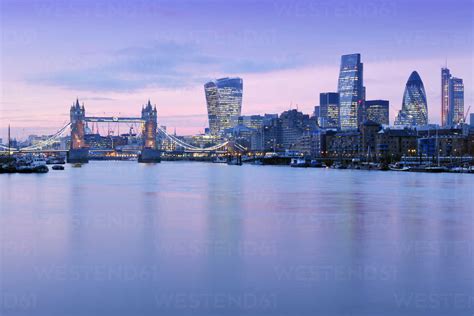
Style A: Mostly rail, big cities, a few day trips
This is the easiest plan. It suits first visits. It keeps stress low.
- London, Edinburgh, Dublin as your anchors
- Day trips for countryside
- Flights or ferry only once between Great Britain and Ireland
Style B: Road trip, small towns, slow days
This is the romantic plan. It is also the plan that punishes haste.
- A car in Ireland, not in London
- Two or three “bases,” not a new bed every night
- Drives kept short, even if the map looks cute
Style C: Split plan, rail in Britain, car in Ireland
This is the best of both worlds. It is also the most common plan among people who want both cities and wild coast.
- Train in England and Scotland
- Fly or ferry to Ireland
- Rent a car for the Irish west
Pick one and commit. After that, you are planning a route, not negotiating with your calendar.
Choose a trip length that matches real life
These islands reward time. They also reward rest. Here are sensible lengths.
10 days
You get the highlights. You move a lot. You feel proud and tired.
14 days
You get highlights and breathing room. This is the sweet spot.
21 days
You get rhythm. You stop chasing and start noticing. It feels like a proper trip.
If you have 7 days, do one country. If you have 10, do three but keep it tight. If you have 14, you can do it well. If you have 21, you can do it with style and fewer blisters.
Do the paperwork early, because February 2026 exists now
This part is boring. It is also the part that stops you at the gate if you ignore it. So we do it first.
Passport basics
Keep your passport valid for your full stay. Make sure you have at least one blank page. Airlines can be very loyal to rules. Zone AE Flood Insurance: The Map Code That Can Change Your Mortgage, Your Build, and Your Peace of Mind.
UK entry: the ETA is now part of the deal
For many visa-free visitors, the UK now uses an Electronic Travel Authorization, called an ETA. It is required for short visits and even for some transits. Enforcement is set from 25 February 2026.
In other words, do not treat it like a nice idea. Treat it like a boarding pass.
Ireland entry for many visitors
For U.S. citizens, Ireland allows visa-free entry for tourism or business stays up to 90 days.
A note for dual nationals
If you hold UK or Irish citizenship as well as another passport, pay attention to carrier rules and document requirements around late February 2026. It is the sort of detail that only matters at the worst moment.
Pick the best time of year for the trip you want
People say “summer” because it feels safe. Summer is also when everyone else has the same idea.
Late spring and early autumn are the polite seasons
May, June, and September often give you decent weather and longer days, without peak crowds. Prices can still sting, but they sting less.
July and August are loud and expensive
It is festival season. It is school holiday season. Edinburgh in August can be magical. It can also be packed. If you go then, book early and accept crowds as part of the scenery.
Winter is for cities, pubs, and low expectations
Short days. Wet wind. Beautiful light between storms. If you like museums and cosy dinners, it works. If you want long hikes, it becomes a negotiation with the sky.
But most of all, remember this rule. Weather on these islands is not a forecast. It is a hobby. Pack like you believe in layers.
Plan the route like a European, not like a checklist
We plan in loops and lines. We avoid backtracking. We also avoid changing hotels every night, because we like ourselves.
Here are three simple route shapes. Pick one.
Route 1: London to Edinburgh to Dublin
This is the classic. It is efficient.
- Fly into London
- Train north through England to Edinburgh
- Fly or ferry to Ireland
- Fly home from Dublin, Shannon, or Cork
Route 2: Dublin to the west to Edinburgh to London
This is for people who want Ireland’s coast first.
- Fly into Dublin
- Drive west to Galway or Clare
- Return the car
- Fly to Edinburgh
- Train down to London
Route 3: Add Northern Ireland as the bridge
This is for ferry lovers and history lovers.
- Scotland to Belfast by ferry
- Belfast to Dublin by bus or train
- Then Ireland’s west
You do not have to do Route 3. 3 Best Places to Visit in Arizona. But it can make the geography feel more real. Also, ferries have a certain old-world charm, even when the coffee is bad.
Getting around England and Scotland without a car
London is not a driving city. It is a “walk, tube, and forget cars exist” city.
Rail in Britain is good, but pricing is a small puzzle
British trains are fast between big cities. Tickets come in types that sound like they were named during a committee meeting.
- Advance tickets are cheaper and tied to one train
- Off-Peak tickets are flexible outside busy hours
- Anytime tickets are the expensive “do what you want” option
So book big legs early if you can. London to Edinburgh is a classic example. You can also keep it flexible and accept higher prices. Both are valid. Only one is cheap.
Scotland has travel passes that can simplify things
If you plan a lot of rail and local transport in Scotland, look at the Spirit of Scotland travel pass. It covers trains and several local systems, with set-day options.
The simple rail approach that works
- Book long-distance trains in advance
- Use contactless and local transit cards in cities
- Do day trips with guided tours when it saves hassle
- Sleep at least two nights in each base
Instead of racing, you will arrive with energy left for dinner. This is underrated.
Getting around Ireland without losing your nerve
Ireland is made for road trips. It is also made for slow driving behind tractors. Both can be true.
Driving basics
Ireland drives on the left. Roads can be narrow. Towns can be tight. Your reward is that the west coast can feel like the edge of the world.
Tourism guidance notes you need either a full licence or an international driving permit, and you should carry your licence while driving.
U.S. guidance also states U.S. citizens can drive as tourists for up to 12 months.
In practice, many people bring their licence and also bring an IDP as a backup translation. It is cheap insurance against a fussy rental desk.
Speed and signs
In the UK, speed limits are in miles per hour. In Ireland, they are in kilometres per hour. This matters more than you expect when you are tired.
The easiest Ireland car plan
- Pick up the car when you leave Dublin
- Base yourself 2 to 3 nights in one place in the west
- Drop the car back in Dublin or at an airport like Shannon
5 Days in Paris for Fashion Lovers: A Stylish Itinerary Through the City of Light. Dublin is a fine city. It is not the best place to learn roundabouts.
Crossing between Great Britain and Ireland
You have two main options. Fly, or take a ferry.
Flying is quick and common
It is often the fastest way between Scotland and Ireland, and between London and Ireland. It can also be cheap if you travel light. Keep in mind airport time adds up.
Ferries are slower, but they can be part of the fun
If you like the idea of a sea crossing, you have choices.
- Holyhead to Dublin, and Pembroke to Rosslare are common routes from Great Britain to Ireland
- Scotland and Northern Ireland are linked by routes like Cairnryan to Belfast
Ferries are also useful if you want your own car. Or if you want a forced break from emails.
Document checks can be stricter than people expect
Carrier policies can change, and some routes have tightened document requirements. Treat it simply. Travel with a passport when crossing. It avoids drama that no one needs.
Where to stay so you sleep well and spend less time commuting
You can save money, or you can save time. Sometimes you can do both. Usually you pick one.
London
Stay somewhere with good transport links, not “close to everything.” London is too big for that fantasy. A Tube stop nearby is worth more than a fancy postcode.
Edinburgh
Stay central if you can. The city is compact. That is part of its charm. If prices hurt, stay a bit out and use buses. Edinburgh does public transport well.
Dublin
Stay central if you plan to walk and do museums. If you plan to drive out early, stay near the edge of the city and leave quickly. Dublin traffic is not a folk song.
Ireland’s west
This is where B&Bs and small hotels shine. You get warmth, local tips, and breakfasts that make you question your normal life choices.
Three ready-to-use itineraries
These are built to work. They balance travel days with stay days. They also accept that humans need food and sleep.
Itinerary 1: 10 days, the greatest hits route
Days 1–3: London
- Day 1: Arrive, easy walk, early night
- Day 2: Westminster area, parks, a museum
- Day 3: Choose one big thing, then a neighborhood day
Day 4: Train to York, then on or stay one night
York is a useful break point. It is also a good city in its own right.
Days 5–6: Edinburgh
- Castle day, Old Town, a proper pub meal
- One day for New Town, galleries, or a short hike like Arthur’s Seat
Day 7: Travel to Dublin
Fly is usually simplest.
Days 8–10: Dublin plus one day trip
- Dublin city day for Trinity area, museums, and food
- One day trip by train or tour, or a quick coastal escape
- Fly home from Dublin
This plan is fast. It works best if you keep your “must do” list short. You get the flavour. You do not get every countryside postcard. That is fine.
Itinerary 2: 14 days, the balanced loop
Days 1–4: London with one day trip
- One day trip to Oxford, Bath, or the countryside
- The rest in London at a calm pace
Days 5–6: York or the north of England
A short stop breaks the long rail ride. It also gives you a different England, less glossy, more lived-in.
Days 7–9: Edinburgh and a Highlands taste
- Two nights in Edinburgh
- One day tour to see lochs and big scenery, without driving
Day 10: Fly to Dublin
Days 11–14: Ireland’s west as your main event
- Pick up a car and go to Galway, Clare, or Kerry
- One slow coast day
- One “big view” day, like the Cliffs of Moher area
- Return to Dublin for the final night or fly out of Shannon
After more than a week of cities, the west of Ireland feels like turning the volume down. It is a good feeling. A Bright Future: Understanding and Embracing Renewable Energy.
Itinerary 3: 21 days, the trip with room to breathe
This one is built around “bases.” You do not chase. You settle, then explore.
England base plan
- London, 5 nights
- One smaller base, 3 nights, like Bath area or the north
Scotland base plan
- Edinburgh, 3 nights
- Highlands base, 3 to 4 nights, like Inverness area or Skye if you are committed
Ireland base plan
- Dublin, 2 nights
- West coast base, 4 to 5 nights, like Galway or Kerry
- Final night near your departure airport
You can add Cornwall. You can add the Lake District. You can add whisky distilleries and coastal hikes. You can also add nothing at all and still have a rich trip.
The point of 21 days is not more sights. It is more space.
Booking order that saves money and stress
Here is the order that usually works best.
- Flights with an open-jaw plan
Fly into one city and out of another. London in, Dublin out is common. It cuts backtracking. - Key hotels in the busiest places
London, Edinburgh in summer, and Dublin on weekends can book up. - Big rail legs in Britain
Advance fares can be cheaper when released. - Car hire in Ireland, if you need an automatic
Automatics can cost more and sell out faster than you think. - Top attractions that use timed entry
This changes often, so check closer to travel. - Everything else
Local buses, day tours, small tickets. These are easy later.
Instead of building the trip from tiny details, you build it from the bones. The trip becomes stable.
Money, cards, and the awkward two-currency moment
You will use GBP in England and Scotland. You will use EUR in Ireland.
Cards work almost everywhere. Contactless is normal. Carry a small amount of cash for small shops and tips, but do not overdo it.
Also, tell your bank you travel. It feels old-fashioned. It still prevents nuisance declines at the exact moment you need a sandwich.
Packing for islands that enjoy weather as performance art
Pack for change, not for perfection.
- A light waterproof jacket
- A warm layer that packs down
- Comfortable shoes that handle wet pavements
- A power adapter for the UK and Ireland plug type
- A day bag you can carry for hours
- A small umbrella if you enjoy umbrellas that turn inside out
If you pack one “nice” outfit, you feel human at dinner. If you pack five, you carry regret up stairs in Edinburgh.
The mistakes that quietly ruin trips
These happen to smart people. They happen to organized people. They happen to us.
Too many one-night stays
They look efficient on paper. They feel like constant checkout.
Underestimating drive times in Ireland
Short distances can take ages on rural roads. That is part of the charm, right up until you miss dinner.
Doing London, then a car, then London again
London is best at the start or the end, not both. Keep it clean.
Treating the Highlands like a day trip
You can taste them in a day. You cannot understand them. If you want them, give them time.
Forgetting the admin
A Day in the Garden: Where Peace Blooms and Purpose Grows. ETA, passport, rental rules, document checks. None of it is fun. All of it is real.
A trip plan is not a dream board. It is a system. Once the system works, the fun comes easily.
Copy-and-go checklist
8–12 weeks before
- Book flights
- Apply for UK ETA if you need it
- Book London and Edinburgh stays
- Reserve an automatic car for Ireland if needed
4–6 weeks before
- Book big rail legs
- Sketch day trips and leave gaps
- Arrange travel insurance if you use it
1 week before
- Save offline maps
- Confirm documents and boarding rules
- Pack layers, not outfits
24 hours before
- Check in for flights
- Charge everything
- Put passport, cards, and any travel authorisations where you can reach them fast
You now have a plan that works in the real world. You also have enough slack to enjoy it, which is the whole point.
A Route Worth Taking
England gives you cities that never stop. Scotland gives you drama in stone and sky. Ireland gives you space, music, and roads that make you slow down.
Do it with fewer moves, longer stays, and one clear route. You will see less. You will feel more. That is the trade worth making.